Building a Lightweight Camper Van Kitchen: A Pro’s Guide to the One-Day Build
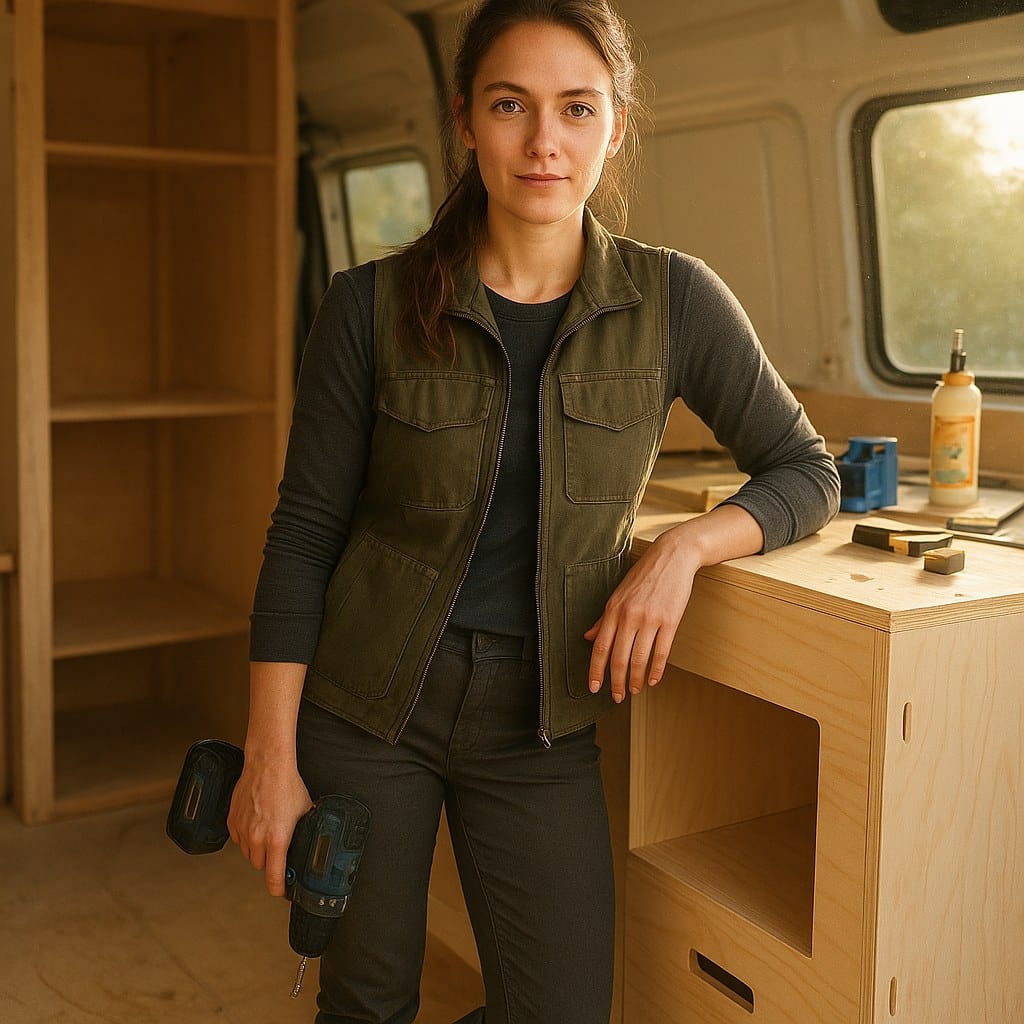
Is it really possible to build a functional, stylish kitchen for a camper van in just eight hours? If you had asked me at the start of my career, I would have laughed and told you to come back in a week; back then, a project like this easily swallowed up seven days of labor.
But times change, tools get better, and experience has a funny way of shortening the work week. Today, I’m walking you through the process of creating a compact, durable kitchen using lightweight Ceiba plywood—a material that is a total game-changer for anyone worried about their van's gross vehicle weight rating.
The Philosophy of Small Spaces
Before sawdust starts flying, we have to talk about the plan. In the world of van conversions, the "client is king," even when the king wants a kitchen that looks like it belongs in a dollhouse. For this specific build, the requirement was clear: keep the kitchen tiny to make room for a massive wardrobe next to it.
When you are working with a footprint this small—we’re talking a section only about 250mm wide—you have to make some tough executive decisions. For example, we ditched traditional drawers. By the time you install drawer slides and a wooden box frame, you’ve lost so much internal space that you can barely fit a set of spoons. Instead, we opted for open niches and removable shelves, which are perfect for nesting pots and pans without wasting precious centimeters on hardware.
Materials Matter: Why Ceiba Plywood?
If you’ve ever tried to lift a sheet of standard birch plywood, you know it’s a workout. Now imagine putting several sheets of that into a van that already has to carry water, batteries, and humans. This is where Ceiba plywood (often called "Lite Ply") shines. It is significantly lighter than standard plywood but maintains enough structural integrity for cabinetry.
Our construction method involves a hybrid approach to save weight and cost:
- The Skeleton: We use Ceiba slats to create a sturdy frame.
- The Facade: The visible "face frame" is also made of Ceiba for a uniform look.
- The Panels: For the interior walls and backing, we use thin HDF (High-Density Fiberboard) or 4mm plywood.
This "frame and panel" method allows us to hide wiring for LED lighting or water pumps inside the hollows of the frame before we seal it up. It’s a much cleaner look than slapping everything together with metal L-brackets, which, let’s be honest, usually look like a high school shop project gone wrong.
The Secret Weapon: The Pocket Hole Joinery
If you want to build furniture that survives the "earthquake" of driving down a bumpy backroad, you need strong joints. In our workshop, we swear by the pocket hole screw (often referred to by the brand name Kreg). This method involves drilling a hole at a steep angle into one board and joining it to another with a specialized screw.
Why is this better than just screwing into the end of a board? Because the screw enters the second piece of wood at an angle, increasing the surface area of the connection and creating a much stronger mechanical bond. Here are a few tips for getting this right:
- Invest in a Jig: Use a high-quality pocket hole jig. Cheap knock-offs often have soft metal guides that wear out quickly, leading to wobbly, imprecise holes.
- Use Genuine Screws: It sounds like a marketing pitch, but original pocket screws have a self-tapping "auger" tip. This is crucial when working with hardwoods or thin plywood to prevent the wood from splitting.
- Don't Skip the Glue: A pocket screw is great, but a pocket screw combined with high-quality wood glue (like Titebond II or III) is practically permanent.
Assembly and the "Face Frame" Magic
Once the internal skeleton is ready, we slide in the appliances. For this build, we’re fitting a small compressor fridge provided by the owner. Getting the tolerances tight is key; you want the fridge to be snug but still have enough airflow to function efficiently.
To make the kitchen look professional, we apply a face frame. This is essentially a "mask" that covers the raw edges of the plywood skeleton. While I personally love the look of oak for this part, we’re sticking with Ceiba here to keep things cohesive. Once this frame is glued and nailed on, the kitchen stops looking like a collection of sticks and starts looking like high-end cabinetry. The frame also provides a solid mounting point for hinges and those cool "American-style" external latches that keep your doors from flying open during a sharp turn.
Finishing: More Than Just a Pretty Face
In a camper van, the finish isn't just about aesthetics; it’s about survival. You’re dealing with extreme temperature swings and high humidity.
The Painting Process
We start by sanding everything down and rounding over the sharp edges with a router. This isn't just for comfort—paint tends to chip off sharp 90-degree corners, so a slight radius helps the finish stay put. We use acrylic paint because it remains flexible. Avoid automotive or stiff polyurethane paints for the furniture; they are prone to cracking when the van’s body flexes during travel.
The "Two-in-One" Trick
If you’re using a high-quality paint like Dulux, you can often skip the separate primer. The first coat acts as your sealer. Once it dries, you’ll notice the wood grain feels "furry." This is called grain raise. A quick pass with 600-grit sandpaper will knock those fibers down, leaving a smooth surface for the final two coats. To finish it off, we apply a protective lacquer (like Pinottex) to ensure the surfaces can handle spilled coffee or muddy gear.
Final Thoughts and Next Steps
Building a kitchen in a day is a sprint, but by focusing on a lightweight frame and smart joinery, you end up with a result that lasts for years. We’ve finished the main structure and the paint is drying, which means the heavy lifting is over. The next stage involves the facades (the doors), which is a whole different rabbit hole of design—ranging from simple flat panels to ornate shaker-style doors.
Whether you are a DIY enthusiast or looking for a professional build, remember that weight is your enemy and precision is your friend. If you take the time to plan your wiring and use the right fasteners, your mobile kitchen will be the heart of your home on wheels. Now, go grab some plywood and start building—just maybe don't expect to finish in a single day on your first try!
Video
