Cassette Toilets for RVs: Are They Worth the Hype (and the Price Tag)?
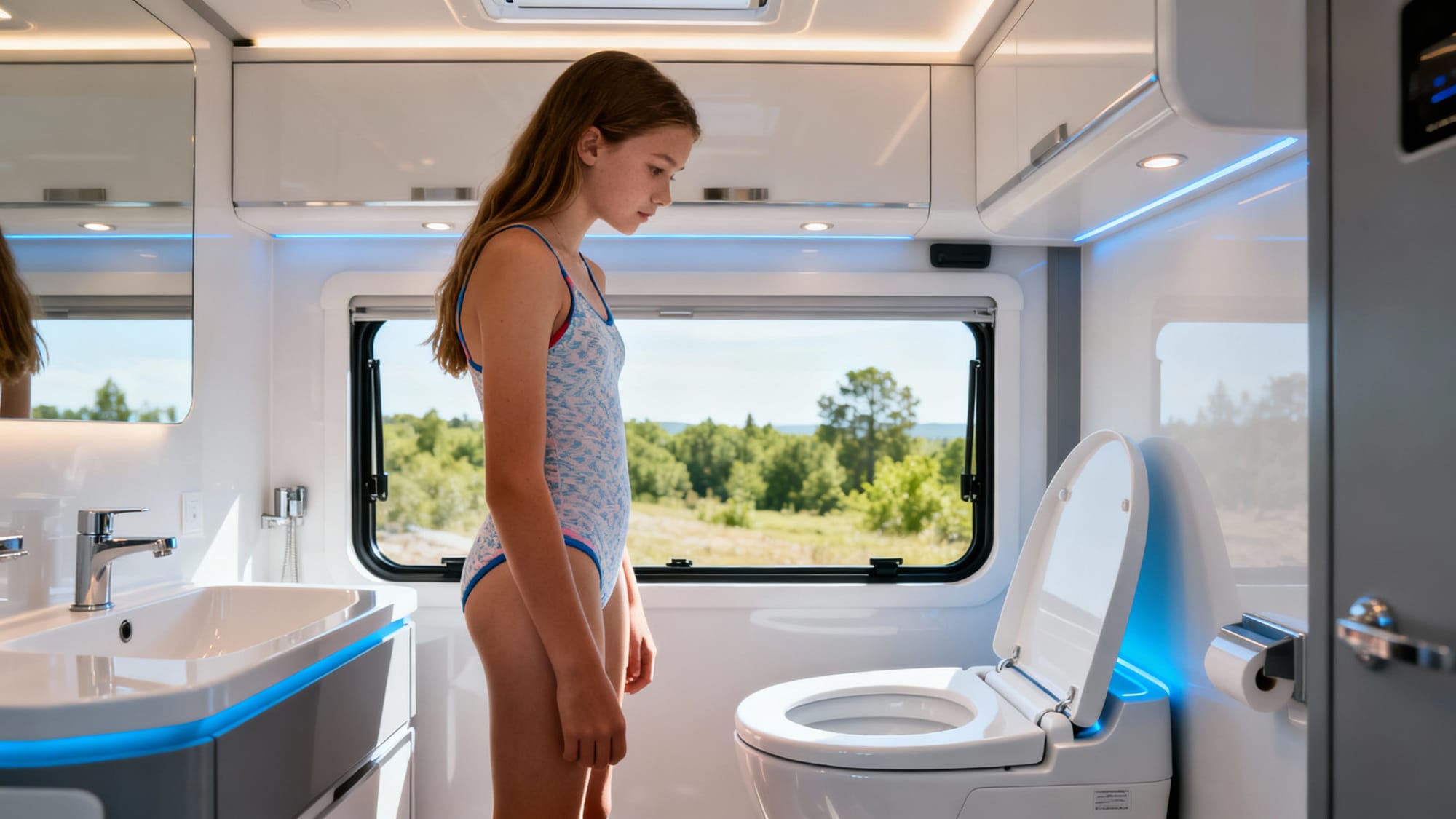
Ever found yourself staring longingly at those fancy RVs with built-in bathrooms, wondering if the grass (or perhaps, the porcelain) is truly greener on the other side? We've all been there, dreaming of the perfect home-on-wheels experience. But when it comes to the nitty-gritty of RV sanitation, the options can be a bit… well, overwhelming.
Today, we're diving deep into the world of cassette toilets, those seemingly luxurious fixtures that promise convenience and cleanliness on the road. Are they a game-changer, or just another expensive gadget for your beloved camper van? Let's break it down with a healthy dose of reality and a sprinkle of personal opinion.
The Allure of the Cassette: What Makes Them Different?
Imagine a toilet that's part of your RV's plumbing system, yet offers the flexibility of emptying its waste tank from the outside. That, my friends, is the magic of a cassette toilet. Unlike their simpler, portable cube cousins, these units are typically integrated into your RV's structure, offering a more "home-like" bathroom experience.
The main draw? The ingenious design allows you to remove a sealed cassette (the waste tank) from an exterior access panel. No more lugging a full, sloshing portable toilet through your living space! You simply slide out the cassette, wheel it to a disposal point, empty it, clean it, and slide it back in. Sounds pretty sweet, right?
The Price Tag: A Reality Check
Here's where things get a little… spicy. While the convenience of a cassette toilet is undeniable, the cost can be a bit of a shocker. We're talking about prices that can range from a hefty sum for a "budget-friendly" Chinese model ($600-$700 USD) to eye-watering figures for established brands like Thetford or Dometic, easily hitting $1,300-$2,300 USD or even more.
Now, compare that to a basic portable chemical toilet, which might set you back a mere $50-$150 USD. That's a tenfold difference, folks! The question then becomes, is that exterior access and integrated flush really worth such a significant investment?
Unpacking the Differences: Cassette vs. Portable
Beyond the price, what are the core distinctions between a cassette toilet and its portable counterpart? Let's break it down:
- Water Supply: Cassette toilets connect directly to your RV's freshwater system, offering a more continuous and powerful flush. Portable toilets, on the other hand, have a self-contained upper tank that you manually fill.
- Flushing Mechanism: Most cassette toilets feature an electric flush button, mimicking a household toilet. Portable units typically use a manual pump.
- Waste Removal: This is the big one! Cassette toilets allow for external waste tank removal, keeping the mess and odors outside your living space. Portable toilets require you to carry the entire unit (or at least its lower tank) through your RV to empty it.
- Installation: Cassette toilets require a dedicated installation, including cutting an access hatch into your RV's body, connecting to water and power. Portable toilets are, well, portable – just place them where you need them!
The "Copycat" Conundrum: When Imitation Isn't Always Flattery
The market is flooded with various brands, and you'll often find "copycat" models that look strikingly similar to the big names but come with a much smaller price tag. The Freucamp w5001 model, for example, is described as an almost identical twin to a Thetford model, but at half the cost. It certainly looks good on the surface – quality plastic, decent cassette, good hoses and wiring.
However, here's a word of caution from personal experience: cheaper alternatives might initially seem like a steal, but their long-term performance can be a gamble. I've heard stories (and experienced firsthand!) where budget-friendly models start to develop unpleasant odors or even leaks after just a few trips. This often comes down to the quality of seals and plastics used, which might not hold up as well over time compared to established brands. When you're dealing with waste, reliability is paramount, and a leaky toilet is a nightmare nobody wants to face on the road.
The Longevity Question: How Long Do They Last?
Regardless of the brand, both cassette and portable toilet waste tanks have a lifespan. Over two to three years of regular use, the plastic and rubber components can start to absorb odors that become impossible to eliminate, no matter how much you clean. At this point, replacing the cassette or the entire portable toilet becomes the most sensible option.
Here's where the cost difference really hits home: replacing a cassette for a high-end model can cost a significant chunk of change (about $170 USD). Replacing an entire portable toilet, however, might only be $100-$150 USD. So, while you save on the initial purchase of a portable unit, you might also save on replacement costs down the line. Food for thought, isn't it?
The Space-Time Continuum: Where Does It Go?
One of my biggest reservations about built-in cassette toilets is the precious space they consume. In an RV, every square inch is a luxury, and dedicating a permanent "bathroom" area, even a small one, means sacrificing living space. For me, the flexibility of a portable toilet that can be tucked away when not in use is a huge advantage.
I mean, seriously, do you really want to dedicate a whole square meter of your tiny home-on-wheels to a toilet that's only used occasionally? I prefer to keep my living area open and then, when nature calls, simply pop up a privacy tent and bring out the portable unit. It's all about maximizing your usable space and adapting to your travel style.
The Real-World Usage: Convenience vs. Reality
The idea of a cassette toilet sounds fantastic in theory: press a button, everything flushes away, and you discreetly empty it from the outside. But let's be honest, how often are you truly in a situation where that external access is a game-changer?
For most travelers, especially those with smaller cassette tanks (like the common 18-liter capacity), emptying is a frequent affair. And while it's certainly more pleasant than carrying a full portable toilet through your RV, it's still a chore. My personal experience, and that of many other RVers, is that when you have the option not to use your RV toilet (e.g., at a gas station or campground), you'll almost always choose the alternative to avoid the hassle of emptying.
Of course, there are exceptions. If you're fortunate enough to have a massive black tank (like those 180-liter tanks found in some American RVs), then the convenience factor definitely increases. But for the average cassette toilet user, frequent emptying is a reality, regardless of how fancy the system is.
The Breakdown Blues: When Electronics Fail
Another point to consider is the added complexity of electronic components. Cassette toilets often rely on electronic flush mechanisms and other gadgets. While this can provide a smoother user experience, it also introduces more points of failure. Imagine being out in the middle of nowhere and your electronic flush system decides to go on strike! It happens, even with top-tier brands.
I once heard a story about a Dometic toilet in a high-end RV where the control board failed. The cost to replace it, combined with the difficulty of sourcing parts, meant the owners were essentially stuck using a bucket. With a simple portable toilet, the chances of a catastrophic electronic failure are practically zero. It's a trade-off between modern convenience and robust simplicity.
My Two Cents: Personal Preference and Practicality
Now, I'm not here to tell you what to buy. Everyone's travel style and priorities are different. But based on my own experiences and observations, I'm a firm believer in the practicality and cost-effectiveness of a good quality portable chemical toilet. They're affordable, easy to maintain, and don't eat into your precious living space.
If you're dead set on a cassette toilet, and your budget allows, I'd strongly recommend sticking with established brands like Thetford or Dometic. Yes, they're more expensive upfront, but their reliability, quality of materials, and often better after-sales support can save you headaches (and unpleasant smells) down the road. They've been in the game for decades, and that experience counts for something.
The Bottom Line: Choose Wisely, Travel Happily
Ultimately, the decision between a cassette toilet and a portable one comes down to your individual needs, budget, and travel philosophy. Do you prioritize a fully integrated, home-like bathroom experience, even if it means a higher cost and less flexible space? Or do you value simplicity, affordability, and the ability to adapt your living space on the fly?
There's no single "right" answer, but I hope this deep dive has given you some food for thought. Remember, a comfortable RV experience isn't just about the shiny gadgets; it's about making choices that genuinely enhance your journey and minimize your worries. Happy travels, and may your toilet experiences always be… pleasant!