Living the Vintage Dream: A Deep Dive into the 1989 Pilot Motorhome
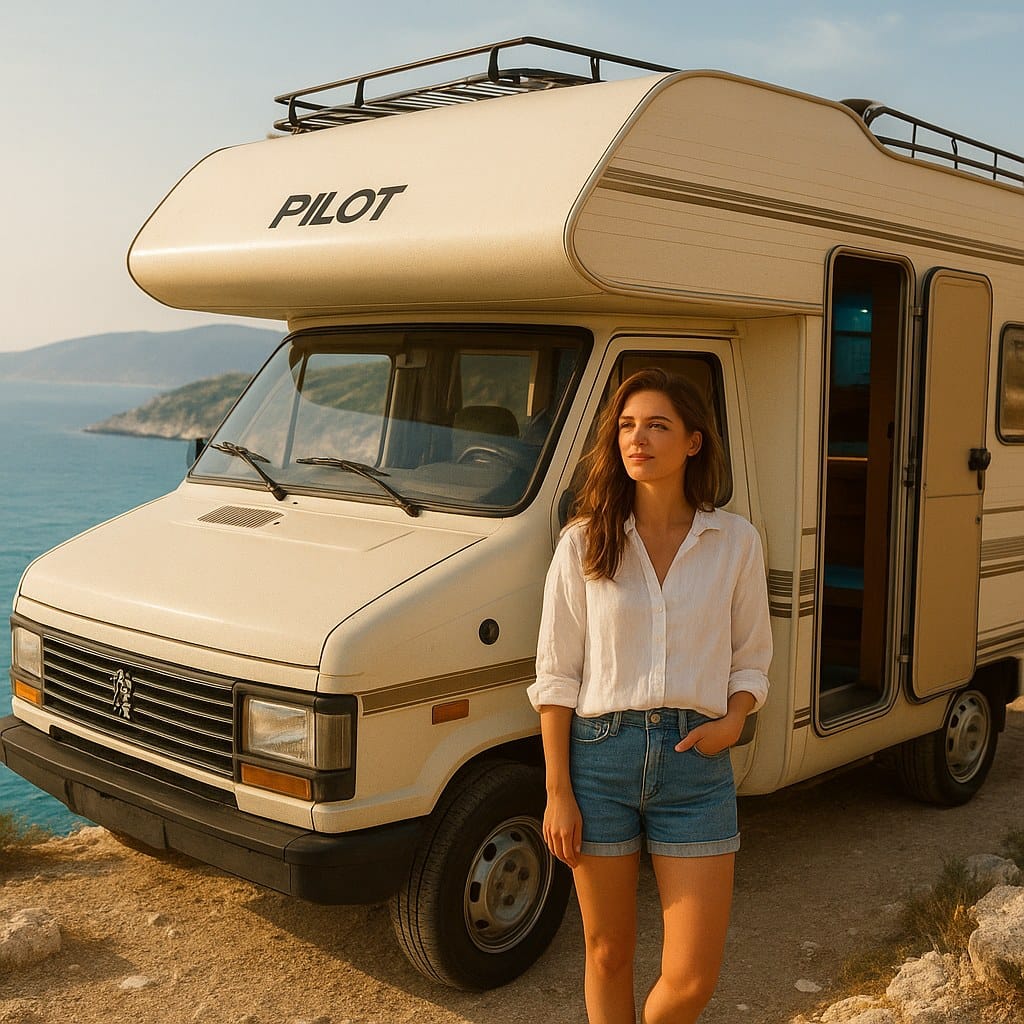
Have you ever wondered if a vehicle built in the late eighties could still handle a cross-continental road trip today? While many modern travelers are obsessed with the latest high-tech Sprinter vans and luxury liners, there is a dedicated community of enthusiasts who believe that older is often better—provided you have the right touch.
In this article, we take a look at a remarkable 1989 Pilot motorhome, owned by Andrey, a retiree who decided to spend his golden years exploring the Adriatic coast. This isn't just an old van; it’s a masterclass in how to blend historical preservation with modern self-sufficiency. From clever DIY electronics to the realities of solo travel through the Balkans, this is the story of a bachelor’s ultimate mobile sanctuary.
The Heritage of the Pilot: A 1989 Time Capsule
The motorhome in question is built on a Peugeot chassis, a classic foundation for European campers of that era. When it was first released in 1989, the Pilot was considered the "Mercedes" of the motorhome world, coming factory-equipped with features that were revolutionary at the time, such as a roof rack and a rear ladder. In the world of vintage vehicles, finding one in this condition is like finding a needle in a haystack.
Andrey purchased the vehicle from a true fanatic—a member of a vintage car club in Latvia who treated the restoration like a work of art. The previous owner was so dedicated to historical accuracy that he even restored the original secondary battery rather than replacing it with a modern equivalent, just to keep the "historical value" intact. However, once Andrey took the reins, he began a journey of technical evolution, proving that even a museum piece can be upgraded for 21st-century living.
Modern Upgrades for the Solo Traveler
While the exterior screams 1980s nostalgia, the "nervous system" of this motorhome is purely modern. Andrey, a radio electronics engineer by trade, has spent the last few years meticulously upgrading the electrical systems to ensure he never runs out of power while parked on a remote beach in Albania or Greece.
- Energy Independence: The heart of the rig is a massive 420Ah lithium battery. While the original restorer loved lead-acid history, Andrey opted for modern reliability. He’s currently upgrading to a 400W solar array managed by a high-efficiency MPPT controller.
- The Cooling Hack: One of the most practical tips for any camper owner involves the refrigerator. Older Electrolux units often struggle in extreme heat. Andrey installed 80mm computer fans with adjustable speed controllers to force airflow over the heat exchanger. This simple addition allows the fridge to keep food frozen solid even in the sweltering Mediterranean sun.
- Smart Lighting: The interior features multi-layered lighting, including a "night mode" with soft blue LEDs. This allows the occupant to move around the cabin at night without losing their night vision or waking up fully—a feature now common in luxury brands like Bürstner but custom-built here.
Life on the Road: From Croatia to Albania
Traveling as a retiree offers a different perspective on the "Van Life" trend. For Andrey, the goal isn't just to save money, but to enjoy total freedom. His journey took him along the Adriatic, through the rugged beauty of Croatia and the surprising hospitality of Albania. He notes that while popular spots like Dubrovnik are breathtaking, they come with a hefty price tag—sometimes upwards of 120 Euros for a day of parking!
However, the real magic happens in places like Southern Albania and Greece. Andrey speaks fondly of the Ionian Sea, where the water is crystal clear and the locals treat travelers with genuine respect. He highlights a psychological tip for choosing a spot: you want to be close to civilization, but not *in* it. Just far enough to feel the peace of nature, but close enough to access a fresh Greek frappe when the mood strikes.
Safety and Security Realities
No long-term travel story is complete without a bit of drama. Andrey admits that he once had an intruder crawl through a window early in his travels. Interestingly, nothing of significant value was taken. He suspects it was more of a "scare tactic" by locals to move him along rather than a professional heist. His takeaway? Be vigilant, but don't let fear ruin the experience. In places like Montenegro, he feels so safe he can leave his phone on his chair while he goes for a swim.
Engineering the Perfect Interior
The layout of this 1989 Pilot is a "cab-over" (alkoven) design. While many dismiss the over-cab bed as a space for children, Andrey swears by it. It offers a dedicated sleeping nook that doesn't require "converting" the living area every night. But the real genius lies in the small modifications:
The "Split Door" Advantage
The camper features a stable-style door that splits in half. This is a game-changer for several reasons. First, it allows for ventilation while keeping dust and crawling insects out. Second, for those traveling with a dog, it acts as a built-in gate. Andrey also added frosted film to the lower windows, allowing him to see out while preventing passersby from peering into his private living space.
The Kitchen and Water Management
Cooking in a small space requires discipline. Andrey uses a portable table to extend his workspace and has installed a sink with a raised edge to prevent water from splashing onto the floor. He also modified the water pump with a MOSFET transistor and a three-second delay timer. This prevents the "stuttering" sound common in RV plumbing and ensures constant high pressure, while also extending the life of the pump's sensors by another thirty years.
The Philosophy of "Old vs. New"
Why choose a thirty-five-year-old vehicle over a modern van? For Andrey, it’s about the soul of the machine and the joy of the "creative process." Every hook, every 12V socket, and every sensor in his Pilot was placed there with intention. He argues that buying a "perfect" new motorhome leaves no room for the owner to truly inhabit the space through modification.
He does offer a word of caution for those looking to follow in his footsteps: "Buying old is only a good idea if you are willing to understand the machine." If you aren't handy with a wrench or a soldering iron, a vintage camper can quickly turn from a dream into a stationary lawn ornament. However, if you find a unit that has been loved by a previous owner, like this one, you are buying a piece of history that is ready for a second life.
Final Thoughts and Recommendations
The 1989 Pilot proves that age is just a number in the world of overland travel. With a few smart electronic upgrades and a deep appreciation for the journey, a vintage motorhome can provide a level of comfort and character that modern plastic interiors simply cannot match. Andrey’s story is a reminder that retirement isn't the end of the road—it's just the beginning of a much longer, more scenic one.
If you’re considering the camper lifestyle, don’t feel pressured to buy the newest model on the lot. Look for a vehicle with "good bones," invest in a solid lithium battery and solar setup, and most importantly, just start driving. The Adriatic is waiting, and as Andrey says, the freedom to wake up wherever you want is worth every bit of effort it takes to keep an old engine running.
Pro-Tip for Future Travelers: If you're heading to the Balkans, keep your eyes open for the "spontaneous clubs" of fellow travelers. Whether it's a group of vintage enthusiasts or a quiet beach gathering, the community you find on the road is often the best part of the trip. Happy trails!
Video