The Hidden Rules of German Parking: Why Your Small Car Might Cost You Big
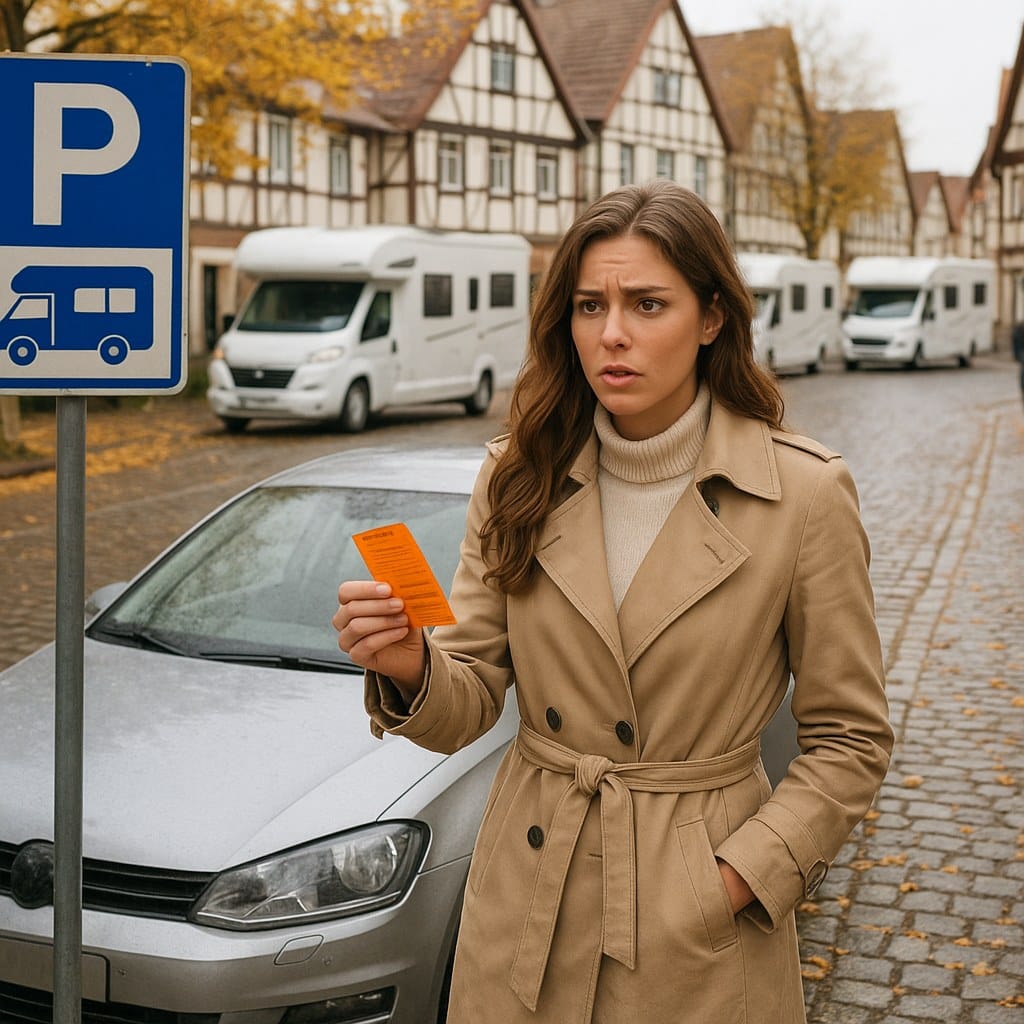
Have you ever pulled into a perfectly spacious, empty parking lot in Germany, feeling like you’ve hit the jackpot, only to return to a bright slip of paper tucked under your windshield wiper? It is a classic traveler’s nightmare that often stems from a misunderstanding of those ubiquitous blue and white signs. In the land of efficiency and strict regulations, a parking spot isn’t always just a parking spot; sometimes, it is a reserved sanctuary for a specific lifestyle.
If you are driving a standard hatchback or a sleek sedan, you might assume you have the right of way in any standard lot. However, Germany has a deep-seated love affair with the "Wohnmobil" or motorhome. This cultural preference translates into dedicated infrastructure that can be a minefield for the uninitiated driver. Let’s dive into why parking your regular car in the wrong place can lead to an immediate encounter with the local authorities.
The Sacred Ground of the Motorhome
In many German towns, you will encounter the "P" sign accompanied by a small pictogram of a bus-like vehicle with a chimney or a living compartment. This isn’t a suggestion; it is a legal boundary. These zones are specifically carved out for motorhomes and campers, often providing them with a safe haven to rest, recharge, and explore the local area without clogging up narrow city streets.
The German authorities take these designations very seriously because they want to encourage tourism while managing traffic flow. When a standard passenger car occupies one of these oversized bays, it isn’t just "taking a spot"—it is disrupting a carefully managed system. Think of it like parking a bicycle in a loading dock for semi-trucks; it might fit, but you are definitely in the way of someone who needs that specific space.
The Watchful Eyes of the 'Ordnungsamt'
You might think, "I’ll only be five minutes, surely nobody will notice." In Germany, that is a dangerous gamble. The local enforcement officers, often from the Ordnungsamt, are incredibly efficient. They don't just wander aimlessly; they know exactly where the high-traffic camper spots are and they check them with surgical precision.
As soon as a standard car enters a zone marked exclusively for campers, the clock starts ticking. These officers are often equipped with digital systems that allow them to issue citations in seconds. By the time you’ve finished your espresso at the corner bakery, your "free" parking spot could have easily turned into a 30 or 50-euro donation to the local municipality. It is a swift lesson in reading the fine print of German road signs.
Decoding the Signage
- The Blue 'P': This indicates a general parking area, but always look for the sub-sign below it.
- The Camper Pictogram: If you see a drawing of a motorhome, and you aren't driving one, keep moving.
- Directional Arrows: Pay close attention to the arrows on the sign. They indicate exactly which sections of the curb are reserved.
The Perks of Being a Camper in Germany
Why is there such a disparity? Why do the "big rigs" get all the perks? From a policy perspective, providing dedicated camper parking keeps these large vehicles out of residential areas where they might block visibility or emergency access. For the travelers themselves, these spots are often a dream come true, sometimes offering amenities that standard lots lack.
For instance, many of these dedicated spots are not just free to park in for extended periods—sometimes up to a week—but they also provide access to electricity and water. Imagine pulling up, plugging in your van for a few cents, and having a fully powered home base while you explore a medieval village. It’s a level of hospitality that makes Germany a top destination for the van-life community, but it’s a hospitality strictly reserved for those with the right vehicle registration.
Comparative Analysis: Car vs. Motorhome
If we look at the logistics, a motorhome user is essentially a mobile resident. They pay for their electricity—often through coin-operated pillars—and in return, the city provides a space that can accommodate their size. A regular car, however, has thousands of other options. When a car takes a camper spot, it forces a massive vehicle to circle narrow streets, creating a much larger problem for the city's traffic rhythm.
Interestingly, while the car driver gets a fine, the motorhome owner enjoys a sense of "honorary citizenship." They are welcomed guests because they bring tourism revenue without requiring a hotel bed. This "camper prestige" is a unique quirk of German travel culture that rewards those who bring their house with them on the road.
Final Thoughts and Advice
The takeaway here is simple: never take a parking sign at face value in Germany. Always look for the small white plaque underneath the main sign. If you see a camper icon, consider that area "off-limits" unless you are sleeping behind your steering wheel in a vehicle with a kitchenette. The efficiency of the German fine-issuing system is legendary, and they rarely accept "I didn't know" as a valid excuse.
If you are traveling by car, stick to the standard garages or street spots marked for "PKW" (passenger cars). It might cost a few euros upfront, but it is significantly cheaper than the ticket you'll receive for encroaching on the motorhome's territory. Stay alert, respect the pictograms, and keep your hard-earned money for more important things—like a giant pretzel or a second round of schnitzel!
Conclusion
Germany is a country that thrives on order and specific designations. The "camper vs. car" parking battle is a perfect example of this. By understanding that certain spaces are reserved for the nomadic lifestyle, you can avoid unnecessary stress and financial penalties. Always remember that in the eyes of a German traffic warden, a silver hatchback is not, and will never be, a motorhome—no matter how much luggage you have in the trunk!
Video
