The Open Road Reality Check: Why People Are Trading Their Keys for Keys to a Front Door
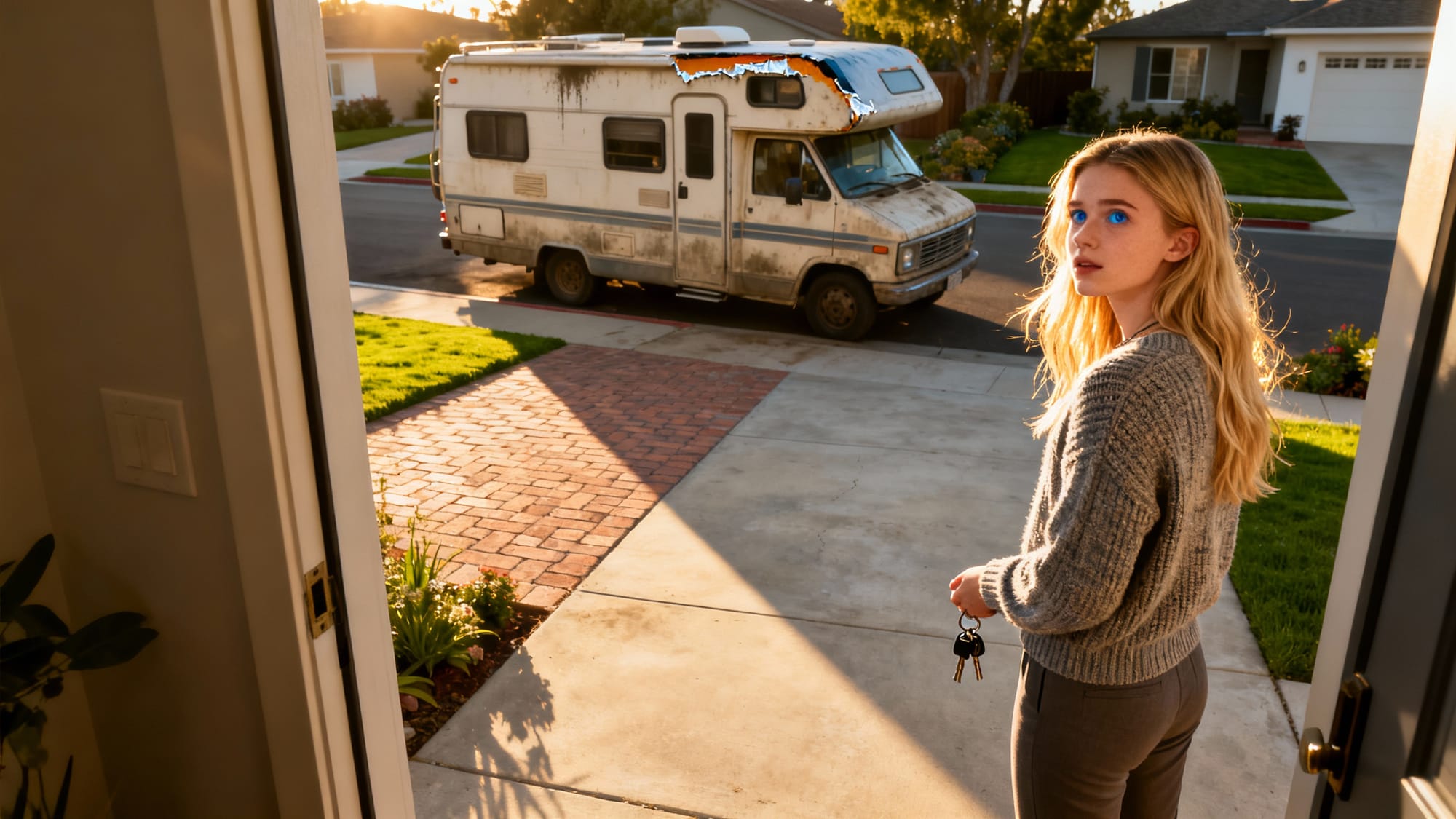
Is the dream of the open road losing its luster? For years, social media has been flooded with sun-drenched photos of gleaming motorhomes parked next to pristine lakes, suggesting that RV life is the ultimate escape from the daily grind.
However, behind those filtered photos lies a different story of rising costs, mechanical headaches, and the physical toll of a nomadic lifestyle. Whether you are considering selling your house to go full-time or just thinking about buying your first travel trailer, it is essential to understand why a growing number of people are choosing to hang up their keys for good.
The Maintenance Trap: When Your Home is a Constant Project
One of the most sobering realities of RV ownership is that you are essentially managing a rolling earthquake. Imagine taking a traditional brick-and-mortar house and driving it down a highway at 65 miles per hour for hours on end; things are going to rattle, shift, and eventually break.
Maintenance isn’t just a recommendation; it is a grueling necessity that consumes both time and spirit. From repacking wheel bearings every year to monitoring roof seals and maintaining battery banks, the "to-do" list is never-ending. Even if your RV sits in storage for eleven months out of the year, the clock is still ticking on tire age and seal integrity, making it an expensive hobby even when it isn't in use.
The frustration is compounded by a massive shortage of skilled technicians. It is not uncommon for owners to wait months for a service appointment, effectively losing an entire camping season while their rig sits in a repair lot. When you combine long wait times with the skyrocketing cost of parts and labor, the "freedom" of the road can quickly feel like a financial and logistical shackle.
The Quality Crisis and the "COVID Camper" Phenomenon
If you’ve been shopping for a rig lately, you might have heard the term "COVID Camper." This refers to units manufactured during the height of the pandemic when demand skyrocketed while supply chains and labor pools were stretched to their breaking points.
Many buyers are finding themselves dealing with significant manufacturing defects that go far beyond a loose piece of trim. We are talking about misaligned walls, faulty electrical systems, and the much-discussed "frame flex" issues where the structural integrity of the unit is called into question. Some manufacturers have even faced legal scrutiny for allegedly ignoring these defects while continuing to ship units to dealers.
When you invest a small fortune into a vehicle that serves as your primary shelter, you expect a certain level of craftsmanship. When that expectation isn't met—and when warranty claims are denied or delayed—many owners decide the stress simply isn't worth the investment. It’s hard to enjoy a sunset when you’re worried the front of your fifth wheel is literally pulling apart from the frame.
The Hidden Physical and Medical Toll
We often talk about the mental freedom of travel, but we rarely discuss the physical demands. RVing is an active, often exhausting lifestyle. Setting up camp, hitching and unhitching heavy trailers, climbing ladders, and driving for six to eight hours at a stretch can be brutal on the body.
- Physical Exhaustion: For those dealing with chronic back pain, arthritis, or general fatigue, the daily "chores" of RV life can become unsustainable.
- Healthcare Logistics: Managing routine medical care or chronic conditions becomes a tactical nightmare when you are constantly moving. Finding specialists who accept your insurance in a new state every week is a job in itself.
- The Pet Factor: Traveling with furry friends adds another layer of complexity, as finding trustworthy veterinary care in unfamiliar territory is a constant challenge.
The Space Paradox: When Tiny Living Becomes Too Tiny
Downsizing sounds romantic in a magazine, but the novelty of a "tiny home" can wear off faster than you’d think. Even the most luxurious motorhomes have a finite amount of square footage. This lack of space creates a ripple effect throughout your daily life.
Storage is the most obvious hurdle. Where do you put your winter clothes, your gym equipment, or those sentimental items you can't bear to part with? Many RVers end up paying for a traditional storage unit, which adds yet another monthly bill and limits access to their belongings. Furthermore, the lack of private "quiet zones" can lead to tension between partners or family members. In a house, you can go to another room; in an RV, you might just be moving three feet to the left.
There is also the "boredom" factor. In a traditional home, there is always a lawn to mow or a garage to organized. In an RV, once the five-minute cleaning routine is done, some people find themselves restless, missing the active engagement that comes with maintaining a permanent property.
The High Cost of "Cheap" Living
There was once a myth that RVing was a way to save money. While it can be done on a budget, the reality in the post-2020 world is much more expensive. The price of fuel, campground site fees, and insurance has surged, making the cost of operation comparable to, or even higher than, a traditional mortgage.
For part-timers, the math is even harder to justify. If you are paying for a monthly rig note, insurance, and storage for a vehicle you only use three times a year, the "per-trip" cost becomes astronomical. Many people are realizing that they could stay in high-end hotels for the same price without the headache of dumping black tanks or worrying about bridge clearances.
Burnout and the Loss of Community
Perhaps the most poignant reason people quit is burnout. Planning a route is a full-time job. You have to check weather patterns, verify Wi-Fi signal strength for remote work, ensure your rig will fit under every overpass, and book sites months in advance. Eventually, the adventure starts to feel like an endless series of logistical puzzles.
Beyond the logistics, there is the emotional weight of loneliness. While the RV community is famously friendly, it is often transient. You might make a "best friend" at a campfire on Tuesday and never see them again on Wednesday. Missing out on family milestones, birthdays, and the stability of a long-term neighborhood eventually pulls many travelers back to a stationary life.
Final Thoughts: Is It Right for You?
This isn't meant to be a "doomsday" warning. Millions of people still find immense joy in the RV lifestyle every year. However, the key to success is entering the world of RVing with your eyes wide open. It is not a permanent vacation; it is a different way of living that requires more work, not less, than a traditional home.
Before you dive in, I recommend starting small. Rent a rig for a week, try out the "basics" without the fancy accessories, and see if you actually enjoy the process of setup and maintenance. It is perfectly okay to change your mind or to scale back from full-time to part-time. The best way to travel is the way that makes you—and your bank account—the happiest.