The RV Shower Dilemma: To Bathe or Not to Bathe?
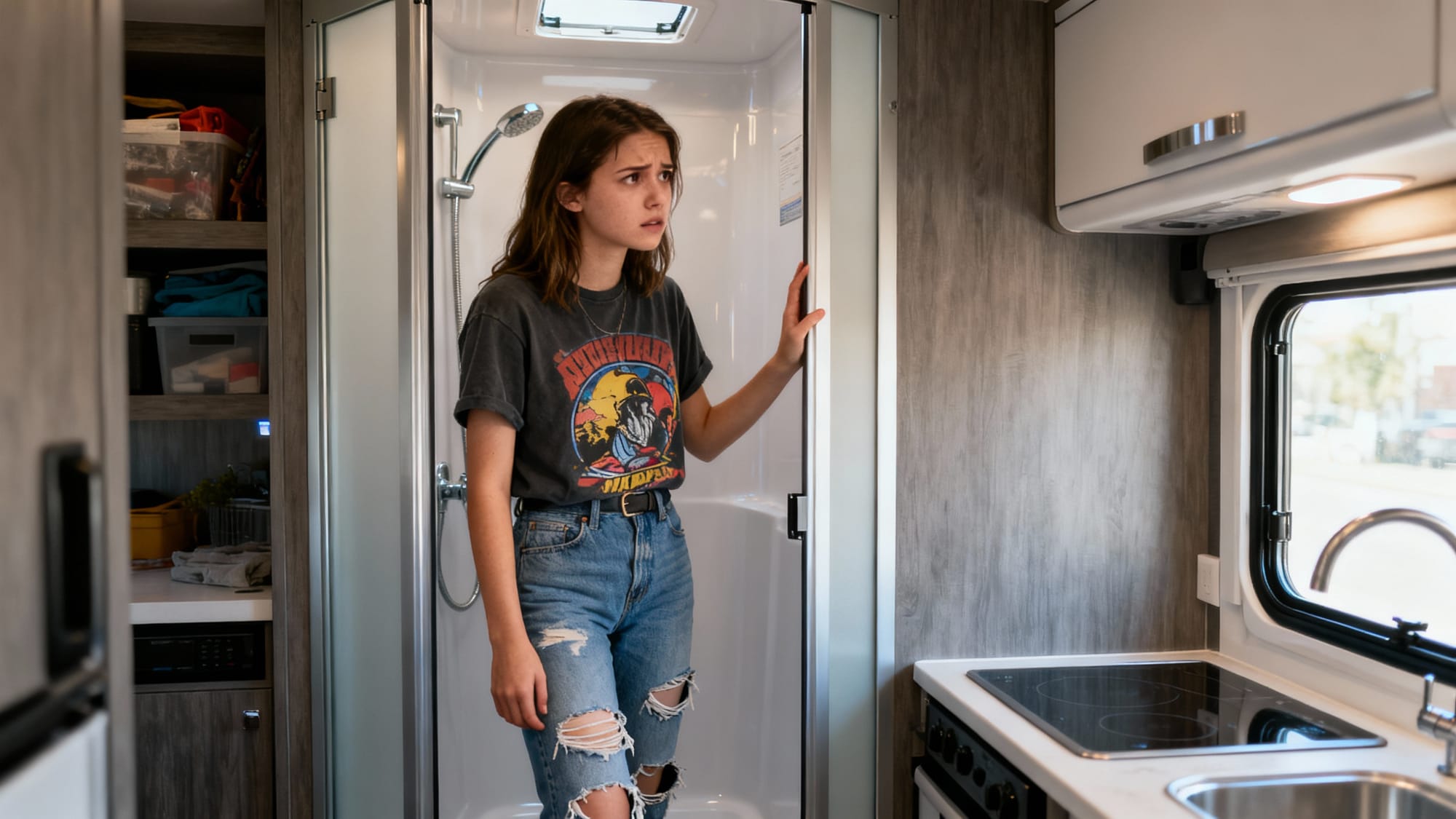
Ever dreamt of hitting the open road in an RV, waking up to breathtaking views, and then… taking a refreshing shower right there in your mobile palace? It sounds idyllic, doesn't it? The freedom, the convenience, the sheer luxury of it all!
But here's a little secret many don't tell you: the reality of an RV shower can be a far cry from the Instagram-perfect fantasy. Before you go all-in on that dream rig with a built-in bathroom, let's dive into the surprising truths about showering on wheels and why it might not be the game-changer you think it is.
The Factory-Built Illusion: What Manufacturers Don't Brag About
When you browse shiny new RVs, especially the motorhome variety, you'll almost always spot a shower. It's a standard feature, right? And it makes perfect sense – who wouldn't want a shower wherever they roam? However, there's a tiny, often-overlooked detail in the fine print (or, more accurately, in the unsaid intentions of the designers) that changes everything.
Most factory-installed RV showers are primarily designed for use when you're hooked up at a campground with unlimited water access. Think about it: a typical RV water tank holds about 75 to 100 liters. While that's enough for a quick "military shower" (wet, turn off, soap, rinse), it's certainly not enough for leisurely bathing for multiple people, day after day. You'd be refilling that tank more often than you'd be enjoying the scenery!
The Water Weight Workout: More Than Just a Tank
So, you might think, "Why not just install a bigger water tank?" Ah, my friend, if only it were that simple! While technically possible, adding, say, a 300-liter tank introduces a whole new set of headaches. First, that's 300 kilograms of extra weight you're hauling around. Imagine the impact on your fuel economy and the wear and tear on your vehicle! Plus, the water isn't static; it sloshes around, creating dynamic forces that can be quite literally destructive. A sudden stop with 300 liters of water slamming against the tank walls could, and often does, lead to structural damage or even the tank ripping right off its mounts. It’s like having a miniature tsunami trying to escape your vehicle with every brake pedal press.
Furthermore, water doesn't stay fresh forever. If you're not constantly using and refilling it, that large tank of water can become a stagnant, less-than-pleasant reservoir. You'd need to regularly drain and clean it, which is another chore added to your "relaxing" RV trip. And let's not forget the logistical nightmare of finding 300 liters of potable water when you're off the grid. Filling a 50-liter tank at a gas station is one thing; filling a massive one is an entirely different, time-consuming adventure.
Space: The Final Frontier (and the First Compromise)
Let's be brutally honest: most RVs, especially those built from vans or smaller chassis, are not exactly spacious. Every square inch is precious real estate. And a dedicated shower takes up a significant chunk of that. We're talking about at least a square meter, often more, carved out of your living space. This means less room for a comfortable seating area, a larger bed, or even just general storage.
And for what? A shower stall that's typically no bigger than 70x70 centimeters, if you're lucky. Many are even smaller, forcing you into contortions that would make a yoga instructor proud. The height can also be an issue; you might fit, but with only a couple of centimeters above your head, showering becomes less about relaxation and more about not banging your head on the ceiling. It’s a bit like trying to dance in a phone booth – technically possible, but hardly graceful or enjoyable.
I've seen it firsthand at RV festivals: hundreds, sometimes thousands, of RVs, almost all equipped with showers. Yet, come evening, there are queues for the temporary, communal shower blocks provided by the organizers. Why? Because even with a shower in their own vehicle, people find the factory option inconvenient, cramped, and a hassle to manage.
The Damp Reality: Humidity and Its Havoc
Here's a less obvious but equally insidious problem with RV showers: humidity. As soon as you turn on that water, the moisture levels inside your compact living space skyrocket. Even with ventilation fans and open windows, it takes time for that humidity to dissipate. And what does prolonged humidity lead to? Exactly! Mold, mildew, and structural damage.
I've personally witnessed the devastating effects of neglected RV showers. I once worked on an almost new, four-year-old RV where the walls around the shower were so waterlogged and rotten that you could poke a finger through them. We had to replace entire sections of the wall, all because of persistent moisture issues. Maintaining a waterproof and well-ventilated shower area in an RV is a constant battle, and if you let your guard down, the consequences can be costly and unpleasant.
The Hidden Cost of Cleanliness: More Than Just Plumbing
Thinking of building your own shower in a custom RV? Brace yourself. What seems like a simple "four walls and a hose" project quickly escalates. You need a proper shower pan, waterproof walls (not just any old plywood!), a quality mixer, a showerhead, and a robust drainage system. But wait, there's more! You'll also need a reliable water heater. Forget those flimsy, inexpensive domestic gas heaters – they're simply not designed for the vibrations and demands of a moving vehicle. You need a proper RV-grade boiler, which is a significant investment.
Even if you're a DIY guru with all the right tools and skills, a truly good, functional, and durable RV shower setup will likely set you back a minimum of $2,500 to $3,000. And that's if you do all the labor yourself! You could try to do it cheaper, maybe for a few hundred bucks, but you'll end up with a system that's constantly breaking down, leaking, or causing more problems than it solves. It's a classic case of "buy cheap, buy twice."
Smart Solutions for Staying Squeaky Clean on the Road
So, if the built-in shower isn't the holy grail of RV living, what are the alternatives? Don't worry, you won't have to embrace your inner cave dweller. There are plenty of practical and surprisingly comfortable ways to stay clean while enjoying your adventures:
- The Portable Power Shower: This is arguably the simplest and most cost-effective solution. Grab a cheap submersible pump shower (they cost next to nothing) and a portable water container. You can heat the water by leaving the container in the sun or with a portable heater. Set up a pop-up privacy tent, and voilà! Instant shower. It saves space, money, and hassle.
- External Shower Hookups: Many RVs, even those without an internal shower, can be fitted with an external shower port. This allows you to connect a showerhead outside your vehicle. Combine this with a privacy tent or an awning, and you have a convenient outdoor shower. It keeps the humidity out of your living space and is often much more enjoyable in warmer climates.
- Truck Stops and Motels: This is a surprisingly popular option for many seasoned RVers. Truck stops often have clean, well-maintained shower facilities for a small fee. Similarly, a quick stop at a motel or campground can provide access to a proper, full-sized shower for a fraction of the cost and complexity of maintaining one in your RV. It's a great way to enjoy a truly comfortable wash without any of the associated headaches.
Winter Woes: The Cold, Hard Truth
And for those thinking, "But what about winter camping? My internal shower will be a lifesaver!" I hate to burst your snow globe, but an internal RV shower isn't much more practical in freezing temperatures. You'll need to go to extreme lengths to prevent pipes from freezing, which means elaborate heating systems for water lines and drains. Many winter RVers actually bypass their central water systems entirely, relying on portable water containers and basins, even for washing dishes. It's simply too risky and too much effort to keep everything from freezing and bursting.
The Verdict: To Each Their Own, But Be Realistic
Ultimately, whether you build or buy an RV with a shower is a personal choice. I won't try to dissuade you if your heart is set on it. Sometimes, the joy is in the journey of building and trying things out for yourself. However, I urge you to go into it with open eyes and a realistic understanding of the compromises involved.
From consuming precious space and adding significant weight to battling humidity and the high cost of a quality setup, the downsides of a built-in RV shower often outweigh the perceived benefits. Many RV owners I know, after the initial novelty wears off, find themselves using their internal showers less and less, eventually opting for simpler, more practical alternatives. So, ponder these points, weigh your options, and make a decision that truly enhances your RV experience, rather than adding unnecessary burdens. Happy travels, and may your showers be ever refreshing, wherever you find them!